Padel Camps
A Structured Path to Better Performance
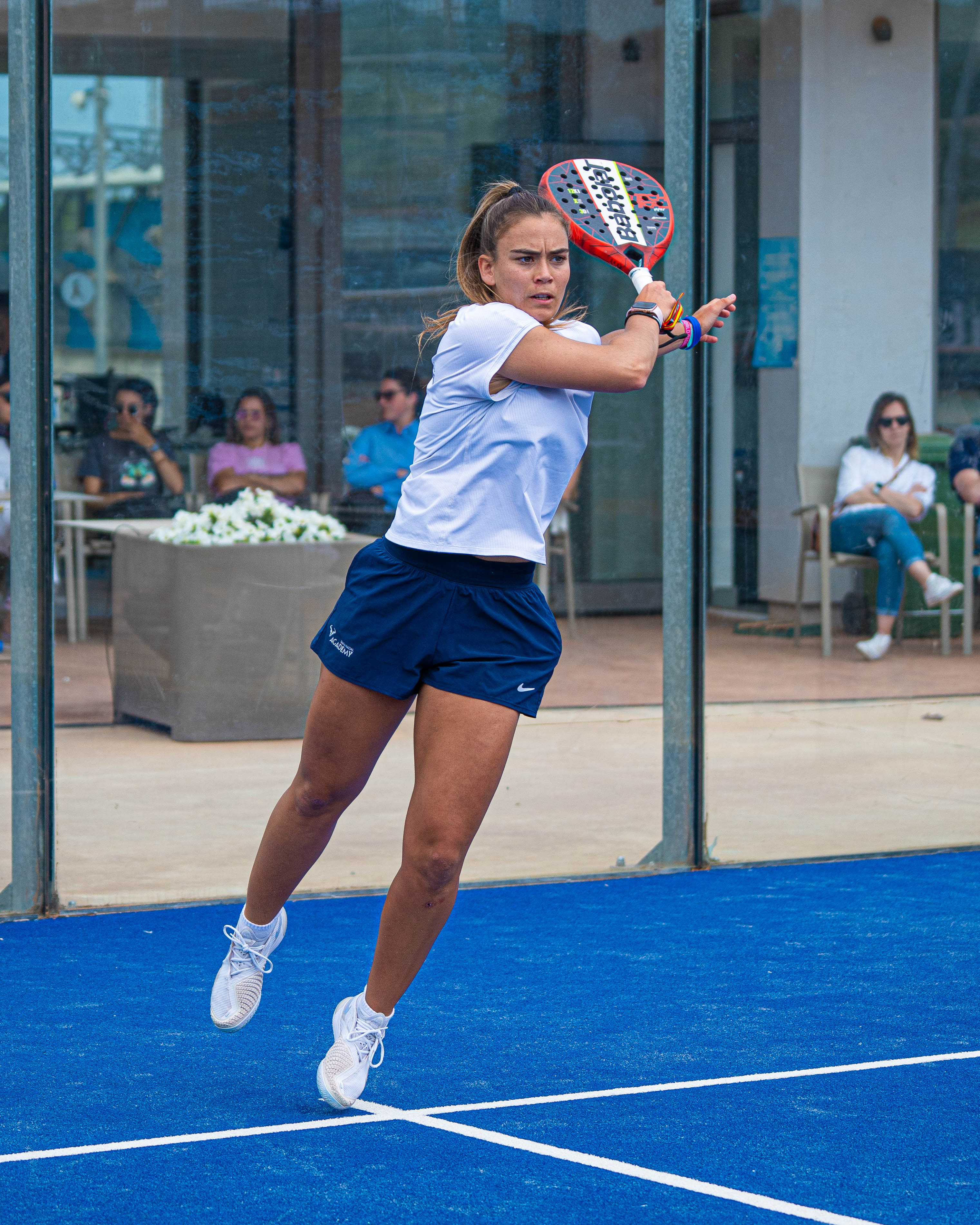
Four 1.5-hour high-intensity sessions designed to improve your defense, attack, and on-court decision-making. Learn the technical and tactical foundations used by top players and apply them in real match situations, finishing the week with a 1.5-hour Point Play session to compete and put everything into action.
Train with Rodri Ovide’s Methodology
Rodrigo Ovide, with more than 17 seasons of experience coaching the best players on the professional circuit, leads the training of the academy’s padel coaches and has implemented his coaching methodology in our adult and junior programs.
What You'll Learn
Session 1 - Defensive Fundamentals
- Build consistency, control, and proper positioning from the back of the court.
Session 2 - Offensive Fundamentals
- Master volleys and bandejas while learning how to control the net.
Session 3 - Defense to Offense Transition
- Understand when and how to turn defense into attack with smart positioning and time management.
Session 4 - Offensive Variations & Net Play
- Develop aggressive overheads and learn how to finish points at the net.
Key Benefits
- Improve consistency and precision.
- Learn correct technique and court positioning.
- Make better decisions under pressure.
- Transition confidently from defense to attack.
- Compete with greater focus and emotional control.
Train Like a Competitor.
Throughout the program, players apply all concepts in live-ball and match situations to build confidence, tactical awareness, and winning habits.
Upcoming Camps